

Press release
Paediatric Spasticity Treatment Market 2019: Size, Business Growth, Technology Demand, Statistics, Segmentation & Forecast - 2029

Pediatric Spasticity results due to damage of portion of brain or spinal cord which controls the voluntary movement. When pediatric spasticity occurs due to injury or disease, nerve signals do not reach muscles and continuously contract which causes stiffness and tightness which interfere with movement and speech. Several drugs are available to treat the Pediatric Spasticity, drugs are injected into the affected nerve or the muscle. Physical therapy used to increase strength, improve muscle mobility and muscle coordination, use of braces, and electrical stimulation. Oral medication for treatment of pediatric spasticity is considered when spasticity symptoms gets adverse and start affecting daily muscle functioning. According to estimates from CDC’s Autism and Developmental Disabilities Monitoring (ADDM) Network, about 1 in 323 children has been identified with Cerebral Palsy and most (77.4%) of the children identified with CP had spastic CP.
Paediatric Spasticity Treatment: Market Dynamics
Increasing awareness, growing research and development for drug development drive the market of pediatric spasticity treatment in the near future. Changing lifestyle, developing new and innovative technology, improving healthcare infrastructure is expected to fuel the pediatric spasticity treatment market in the forecast period. Launch of novel therapeutics and growing per capita income in the emerging economies such as China, Brazil is further drive the pediatric spasticity treatment market.
Request Sample Copy of Report @ https://www.futuremarketinsights.com/reports/sample/rep-gb-9408
Despite many factors which drive the global market for pediatric spasticity treatment, various factor which might hinder the growth of pediatric spasticity treatment market include high cost of treatment and low awareness in under developed and developing countries and rigorous regulations for the approval of drug.
Pediatric Spasticity Treatment: Segmentation
The global Pediatric Spasticity Treatment market is segmented on basis of drug type, distribution channel and geography.
Segmentation by Drug Type
Baclofen or Muscle Relaxants
Botox
Intrathecal Baclofen
Clonazepam
Diazepam
Tizanidine
Others
Segmentation by Route Of Administration
Oral
Injectable
Segmentation by Distribution Channel
Hospitals Pharmacies
Drug Stores
Retail Pharmacies
Mail Order Pharmacies
Pediatric Spasticity Treatment: Overview
Advancement and development of new therapeutic treatment and growing clinical trials for the pediatric spasticity treatment creates huge opportunity for the pediatric spasticity treatment market to grow in the forecast period. Collaboration and partnership among major players for developing new drugs, increasing funding for the research will drive the market of pediatric spasticity treatment in near future. For instance, in august 2016, FDA Approved Ipsen’s Dysport (abobotulinumtoxina) injection for the treatment of lower limb spasticity in children aged two and older.
Pediatric Spasticity Treatment: Region-wise Outlook
The North America is expected to contribute to a major share in the global pediatric spasticity treatment, owing to increasing population, increasing number of screening procedures, presence of major manufacturers and growing clinical trials. Well-developed healthcare facilities and government funding for drug development further drive the market for pediatric spasticity treatment. Europe contributes for the second largest share with significant growth in the global pediatric spasticity treatment market owing to technological advancement in the treatment coupled with growing adoption of new treatment. Asia Pacific market is primarily driven by the factors such as growing prevalence, increasing population, growing awareness of new treatment options. China is expected to register rapid growth in the pediatric spasticity treatment market, due to large patient pool, availability of new drugs for the pediatric spasticity treatment. Latin America and Middle East & Africa are projected to show sluggish growth in pediatric spasticity treatment market, due to less awareness, lack of adequate healthcare facilities and less developed infrastructure.
Read Comprehensive Overview with Methodology of Report @ https://www.futuremarketinsights.com/toc/rep-gb-9408
Pediatric Spasticity Treatment: Key Players
Some of the key players present in the global pediatric spasticity treatment market are Allergan plc, Ipsen Biopharmaceuticals, Inc., Almirall, S.A, Piramal Critical Care, Inc., Genentech, Inc, Sanofi, Saol Therapeutics, US WorldMeds, LLC among others.
About Us – Future Market Insights is the premier provider of market intelligence and consulting services, serving clients in over 150 countries. FMI is headquartered in London, the global financial capital, and has delivery centers in the U.S. and India.
616 Corporate Way, Suite 2-9018,Valley Cottage, NY 10989, United States
This release was published on openPR.
Permanent link to this press release:
Copy
Please set a link in the press area of your homepage to this press release on openPR. openPR disclaims liability for any content contained in this release.
You can edit or delete your press release Paediatric Spasticity Treatment Market 2019: Size, Business Growth, Technology Demand, Statistics, Segmentation & Forecast - 2029 here
News-ID: 1746015 • Views: …
More Releases from Future Market Insights
Japan Canola Lecithin Market to Reach USD 18.2 Million by 2035 Driven by Food, P …
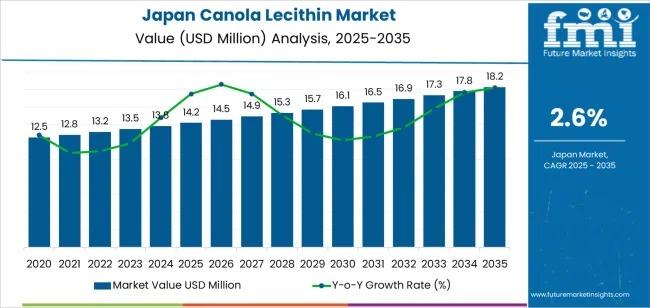
Japan's canola lecithin market is entering a phase of steady expansion, supported by rising consumer demand for natural, clean-label emulsifiers and the growing use of plant-based ingredients across food, pharmaceutical, and cosmetics applications. Market projections show demand increasing from USD 14.2 million in 2025 to USD 18.2 million by 2035, driven by a shift toward healthier formulations and sustained growth in processed food and nutraceutical categories.
Canola lecithin continues to gain…
Japan Caramel Malt Market to Reach USD 77.4 Million by 2035 Driven by Craft Brew …
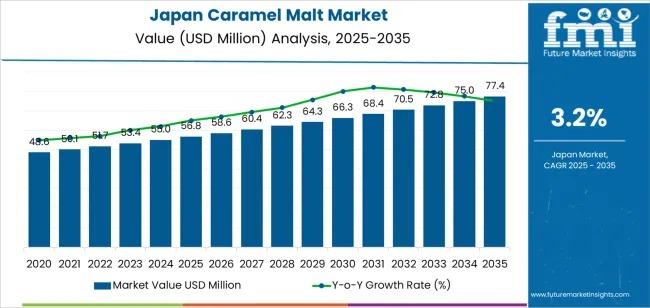
Japan's caramel malt demand is experiencing consistent growth as breweries-both large-scale producers and craft operations-continue to rely on caramel malt for sweetness, foam stability, and refined roasted notes essential to Japan's evolving beer landscape. The market is valued at USD 56.8 million in 2025 and is projected to reach USD 77.4 million by 2035, driven by expanding flavor diversification and the prominence of malt-balanced beer styles across the country.
Light-colour caramel…
Japan Mineral Enrichment Ingredients Market to Reach USD 114.1 Billion by 2035 D …
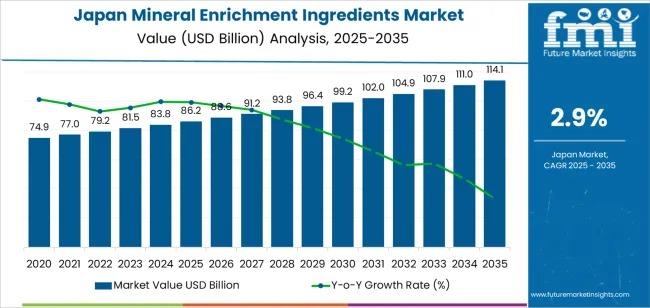
The demand for mineral enrichment ingredients in Japan is set to rise from USD 86.2 billion in 2025 to USD 114.1 billion by 2035, expanding at a consistent CAGR of 2.9%. This growth reflects Japan's long-standing emphasis on nutrition enhancement, healthy aging, and expanded use of fortified ingredients across food, beverage, and supplement categories. With consumers seeking functional, nutrient-dense foods, ingredients such as calcium, iron, magnesium, zinc, and trace minerals…
Global Racing Bike Market to Reach USD 9.9 Billion by 2035, Driven by Performanc …
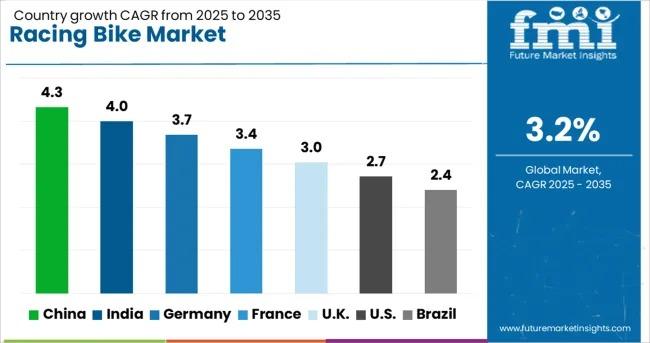
The global Racing Bike Market is entering a phase of steady, technology-led expansion, underpinned by rising participation in competitive cycling, increasing professional sponsorships, and accelerating innovation in lightweight bicycle engineering. The market is valued at USD 7.2 billion in 2025 and is forecast to reach USD 9.9 billion by 2035, expanding at a compound annual growth rate (CAGR) of 3.2% over the ten-year period.
Market fundamentals remain strong as manufacturers align…
More Releases for Spasticity
Spasticity Market 2025-2034 Business Outlook, Critical Insight and Growth
Introduction
Spasticity is a motor disorder characterized by involuntary muscle stiffness, spasms, and exaggerated reflexes caused by damage to the central nervous system (CNS). It frequently occurs as a complication of stroke, multiple sclerosis (MS), cerebral palsy, traumatic brain or spinal cord injury, and other neurological conditions. Spasticity can severely impact mobility, daily functioning, and quality of life, making it a significant healthcare burden worldwide.
Treatment approaches combine pharmacological agents, intrathecal therapies,…
Muscle Spasticity Market Emerging Trends and Growth Prospects 2034
Introduction
Muscle spasticity is a condition characterized by involuntary muscle stiffness, spasms, and increased tone, often resulting from neurological disorders such as multiple sclerosis, cerebral palsy, stroke, or traumatic brain and spinal cord injuries. It significantly impacts mobility and quality of life, making effective management essential. With the rising incidence of neurological diseases and advancements in physiotherapy, drug therapies, and medical devices, the global muscle spasticity market is witnessing steady expansion.
According…
Spasticity Drugs Market Segments, Growth and Trends by Forecast by 2031
The report is segmented By Drug Type (Baclofen, Botulinum Toxin, Diazepam, Tizanidine, Dantrolene Sodium, and Others), Route of Administration (Oral, Intramuscular, and Others), Distribution Channel (Hospital Pharmacies, Retail Pharmacies, and Online Pharmacies). The global analysis is further broken-down at regional level and major countries. The Report Offers the Value in USD for the above analysis and segments.
Get Sample Copy -https://www.theinsightpartners.com/sample/TIPRE00040811/?utm_source=OpenPR&utm_medium=10831
Major Companies operating in the Spasticity Drugs Market are:
Ipsen Pharma
Allergan
Acorda Therapeutics,…
Spasticity Drugs Top Companies Regional and Data Analysis to 2031
The Spasticity Drugs Market market is growing rapidly, driven by increasing end-user demand due to factors such as evolving consumer preferences, technological advancements, and greater awareness of the product's benefits.
Download PDF Brochure at: https://www.theinsightpartners.com/sample/TIPRE00040811/?utm_source=OpenPR&utm_medium=10129
Major Companies operating in the Spasticity Drugs Market are:
• Ipsen Pharma
• Allergan
• Acorda Therapeutics, Inc.
• Merz Pharma
• Teva Pharmaceutical Industries Ltd.
• Novartis AG
• Sun Pharmaceutical Industries Ltd.
• Beximco Pharmaceuticals Ltd.
• Johnson & Johnson Private Limited
• Zydus Cadila
Contact Us:
If you have any queries about this report or if…
Spasticity Treatment Market Expecting Huge Demand in Upcoming Years
The Global Spasticity Treatment Market size is estimated at $5.7 Billion in 2025 and is forecast to register an annual growth rate (CAGR) of 4.9% to reach $8.8 Billion by 2034. Download now
The latest study released on the Global Spasticity Treatment Market by USD Analytics Market evaluates market size, trend, and forecast to 2034. The Spasticity Treatment market study covers significant research data and proofs to be a handy resource…
Muscle Spasticity Market Growth, Research Report, Analysis & Trends 2023-2033
Muscle Spasticity Market Report Overview:
Report Attribute Details
Base Year 2022
Forecast Years …
